





The toddler years represent a critical window of neuroplasticity, where the brain is uniquely primed for language acquisition and social bonding. For families navigating a new diagnosis in 2026, the transition to home-based support is often centered on a “play-first” philosophy. This approach, known as Naturalistic Developmental Behavioral Intervention (NDBI), blends the rigorous data-driven science of Applied Behavior Analysis (ABA) with the gentle, child-led nature of early childhood development. In a vibrant urban setting like Houston, the home environment provides the perfect “social laboratory” to address the unique needs of the youngest learners through play-based autism therapy.
The Developmental Philosophy of Play in Autism Therapy
For a toddler, play is not a break from learning; play is learning. Traditional “table-top” instruction is often developmentally inappropriate for a two- or three-year-old. Instead, modern autism therapy focuses on following the child’s lead to build foundational skills.
- Motivation as the Catalyst: When a toddler is engaged in an activity they love—such as splashing in a water table or pushing a toy train—their motivation to communicate is at its peak. Play-based therapy harnesses this internal drive to teach complex skills.
- Affect and Joy: High-quality early intervention prioritizes “shared affect,” meaning the therapist and the child are enjoying the interaction together. This joy is the glue that makes new skills stick.
- Naturalistic Context: By teaching within play, skills are automatically “generalized.” A child who learns to say “more” while playing with bubbles in their own living room is much more likely to use that word during snack time or at a local park.
Prioritizing Pivotal Skills in Early Autism Therapy
In the toddler years, the focus of play-based autism therapy is on “pivotal” behaviors—skills that, once learned, lead to widespread improvements in many other areas of a child’s life.
- Joint Attention: This is the ability to share an experience with another person, such as pointing to a bird in the backyard or looking at a book together. Play-based therapy uses “people games” (like Peek-a-Boo) to strengthen this vital social connection.
- Functional Communication: For toddlers, this often starts with “manding” (requesting). If a child wants a toy that is out of reach, the therapist uses that play-based moment to prompt a sign, a gesture, or a vocalization.
- Social Imitation: Toddlers learn by watching others. Play-based autism therapy focuses on “copying” actions—if the therapist taps a drum, can the child tap the drum? This is the foundation for learning language and self-care later on.
The Role of the Home Environment in Play-Based Autism Therapy
The home is the most “natural” environment for a toddler, filled with the specific toys, routines, and family members that define their world. In 2026, the home-based model is designed to be low-stress and high-engagement.
- Toy Selection and Rotation: A BCBA (Board Certified Behavior Analyst) will help parents curate toys that encourage interaction rather than just “cause-and-effect” (like toys that just light up when a button is pushed). Open-ended toys like blocks, silks, and sensory bins are staples of play-based autism therapy.
- Environmental Arrangement: Simple changes, like placing a favorite teddy bear on a shelf where it is visible but unreachable, create “communication temptations” that encourage the toddler to interact with their caregiver or therapist.
- Safe Exploration: The home allows the toddler to move freely. Play-based therapy doesn’t require a child to “sit still”; it meets them on the floor, in the backyard, or even in a sensory swing.
Incorporating Sensory Integration in Autism Therapy
Many toddlers on the spectrum experience the world with heightened sensory sensitivity. Play-based autism therapy in 2026 is inherently sensory-aware, ensuring the child remains regulated and ready to learn.
- Sensory Play as a Reinforcer: For many toddlers, playing with kinetic sand, water, or textured fabrics is highly rewarding. Therapists use these “sensory breaks” as opportunities to teach concepts like “in/out,” “wet/dry,” and “my turn/your turn.”
- Regulation Through Movement: Activities like jumping on a mini-trampoline or “heavy work” (like pushing a toy grocery cart) help a toddler regulate their nervous system. A regulated child is a child who is available for social learning in autism therapy.
- Individualized Sensory Profiles: Each toddler has a “sensory diet” built into their treatment plan, ensuring that the play-based activities provide the right amount of stimulation without causing overwhelm.
Transitioning from Solitary to Parallel Play in Autism Therapy
A common developmental milestone for toddlers is moving from playing alone to playing near others. Play-based autism therapy provides the scaffolding for this transition.
- Parallel Play Coaching: The therapist may sit near the child and play with a similar toy, narrating what they are doing (“I’m driving the blue car! Vroom!”). This builds the child’s awareness of others without placing the high demand of direct interaction.
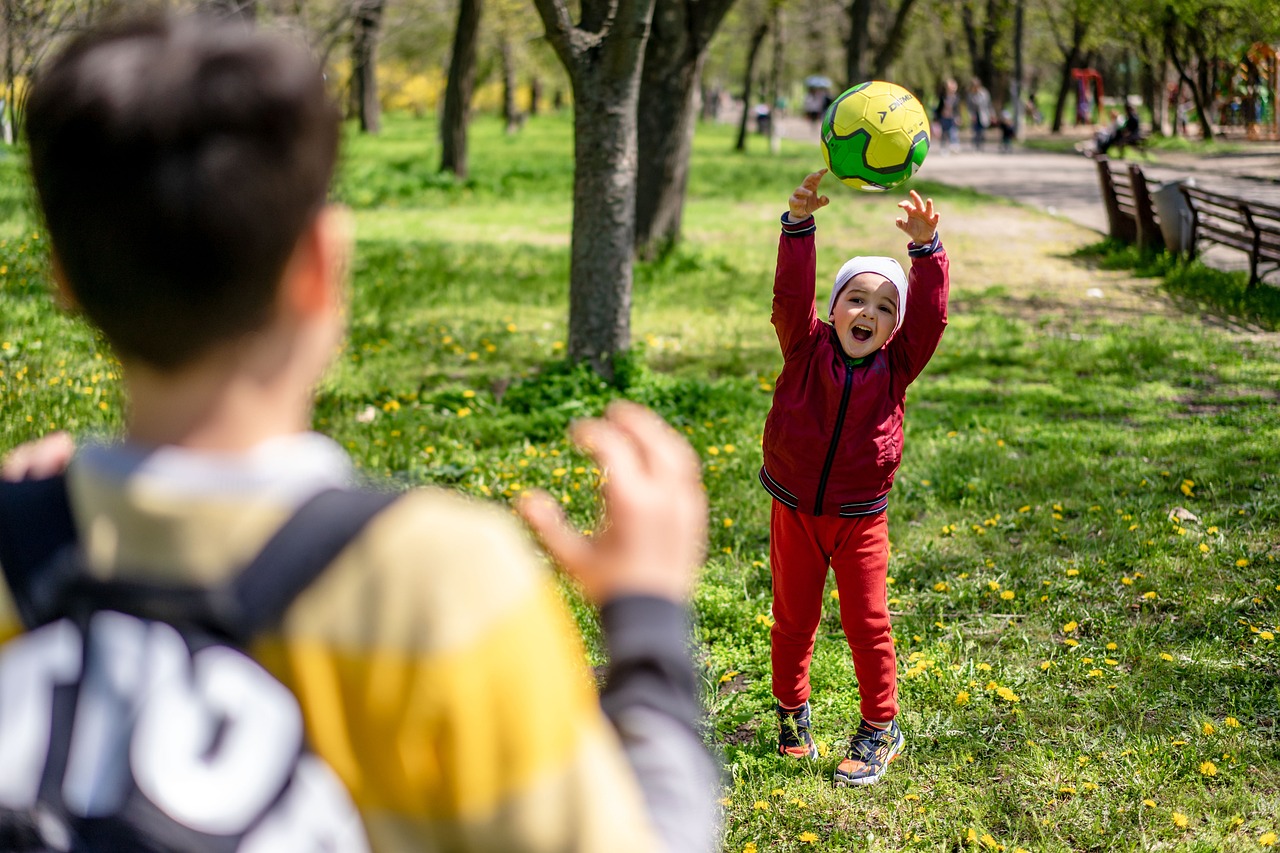
- Reciprocal Interaction: Once a toddler is comfortable with parallel play, the therapist introduces “turn-taking” games. This might be as simple as rolling a ball back and forth or taking turns adding a block to a tower during an autism therapy session.
- Social Scripting Through Play: Using figurines or dolls, the therapist can act out simple social scenarios, helping the toddler understand basic social “scripts” in a safe and imaginative way.
The “Parent-Mediated” Model in Early Autism Therapy
In 2026, the gold standard for toddler-aged autism therapy is parent-mediated intervention. Since parents are the child’s first and most important teachers, the clinical team focuses on empowering the caregivers.
- Coaching in Natural Routines: Rather than adding “therapy hours” to a busy day, the BCBA coaches parents on how to embed play-based strategies into bath time, mealtime, and dressing.
- Empowerment Through Understanding: Parents learn to identify their child’s “communicative intent.” When a child pulls a parent’s hand toward the fridge, the parent learns how to use that play-based moment to prompt a more functional form of communication.
- Building Attachment: Play-based autism therapy strengthens the parent-child bond by focusing on positive, successful interactions. This reduces parental stress and increases the child’s sense of security.
Utilizing “People Games” to Drive Autism Therapy Goals
“People games” are interactions that don’t require any toys at all—the “fun” comes entirely from the social partner. These are essential for toddlers who may be overly focused on objects.
- Social Sensory Routines: Games like “The Itsy Bitsy Spider,” “I’m Gonna Get You,” or “Pat-a-Cake” are predictable and repetitive. This predictability helps toddlers anticipate what comes next, which is a key step in communication.
- The Power of the Pause: In these games, the therapist will “pause” at a climax (e.g., right before the “spider” goes up the spout). The toddler learns to use eye contact, a gesture, or a sound to signal “keep going!” This is one of the most effective tools in play-based autism therapy.
- Eye Contact and Facial Expressions: By keeping the interaction “face-to-face” and “eye-level,” play-based therapy helps the toddler attend to the rich social information found in human faces.
Managing Challenging Behaviors Through Play in Autism Therapy
Toddlers often experience “big emotions” because their desires frequently outpace their ability to communicate. Play-based autism therapy addresses these challenges with compassion and redirection.
- Teaching Functional Alternatives: If a toddler hits when they want a toy, the therapist uses a play-based scenario to teach them to point or use a “my turn” icon.
- Emotional Regulation Coaching: Therapists model how to handle disappointment within play (e.g., “Oh no, the tower fell down! It’s okay, let’s build it again!”). This helps the toddler develop the “affective regulation” needed for future social success.
- The “Yes” Environment: By focusing on following the child’s lead, play-based autism therapy reduces the number of “power struggles” in the home, creating a more peaceful and productive learning environment.
Data Tracking in a Play-Based Autism Therapy Context
Families often wonder how data can be taken if the child is “just playing.” In 2026, data collection is subtle but incredibly precise.
- Naturalistic Data Collection: The RBT (Registered Behavior Technician) tracks “unprompted” successes. For example, they might count how many times the child made eye contact during a 10-minute block-play session.
- Video Coding for Progress: With parental consent, therapists may use short video clips of play-based autism therapy to track subtle shifts in the child’s engagement, vocalizations, and facial expressions over time.
- Focus on Generalization: Data is collected not just on whether the child can do a skill, but whether they do it spontaneously across different toys and with different family members.
Conclusion: The Lasting Impact of Early Play-Based Autism Therapy
For a toddler, the world is a place of wonder and discovery. Play-based autism therapy at home honors this developmental stage by ensuring that “learning” and “fun” are synonymous. By meeting the child on the floor, following their interests, and empowering their parents, home-based programs in 2026 provide the strongest possible foundation for future growth. In a city as diverse and dynamic as Houston, these early interventions ensure that every toddler has the tools they need to communicate their needs, connect with their families, and eventually navigate the wider world with confidence. The milestones reached on a living room rug today are the building blocks of a lifetime of independence tomorrow.