
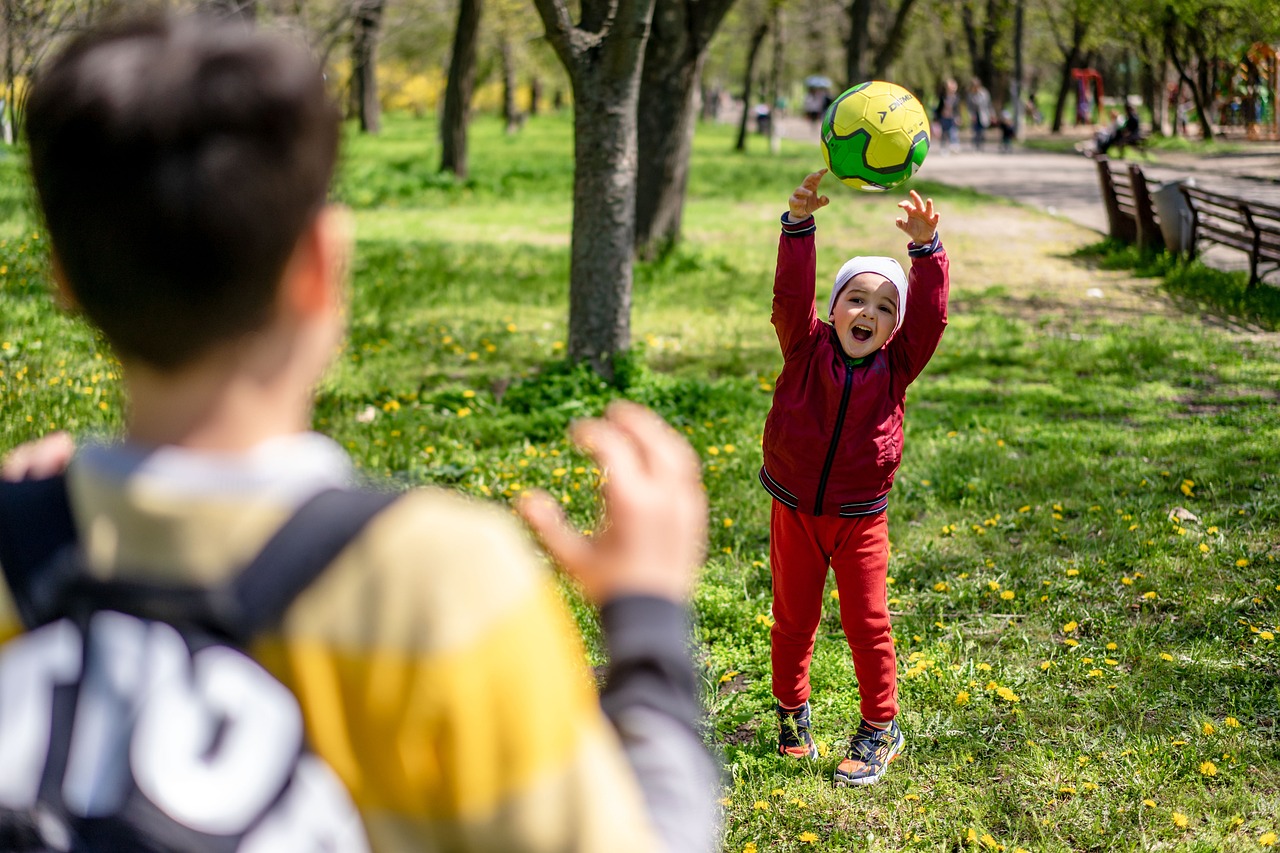






An autism diagnosis affects the entire family system, and siblings play a unique and crucial role in the support network of a child with autism. While professional therapy, such as Applied Behavior Analysis (ABA) therapy, is often focused on the individual with autism, including siblings in the process can offer profound benefits. Sibling involvement not only helps in skill generalization but also fosters understanding, strengthens family bonds, and provides emotional support for all family members. This guide explores the valuable role siblings can play and offers strategies for their meaningful inclusion in the ABA therapy journey.
Understanding Sibling Dynamics in ABA Therapy
Siblings of children with autism often experience a range of emotions, including love, pride, jealousy, confusion, and concern. Including them in the ABA therapy process can help address these feelings by providing them with information, practical tools, and a defined role in their sibling’s development. This involvement shifts the dynamic from passive observer to active participant and powerful play partner.
Benefits of Sibling Involvement in ABA Therapy
Integrating siblings into the therapeutic process provides multiple advantages for the child with autism, the siblings themselves, and the family as a whole.
- Skill Generalization: Skills learned in structured therapy sessions often need practice in natural environments with familiar people to generalize. Siblings offer a perfect opportunity for the child with autism to practice social skills, communication, and play within a natural, motivating context.
- Enhanced Social Interaction: Peers, including siblings, often serve as more powerful and natural social models than adults. Supervised interactions can help the child with autism learn age-appropriate play and social communication in a comfortable setting.
- Fostering Understanding and Acceptance: By learning about autism and participating in the therapy, siblings gain a deeper understanding of their brother or sister’s behaviors and needs. This knowledge can reduce confusion or resentment and promote acceptance and empathy.
- Empowerment: Teaching siblings specific ABA strategies empowers them with the tools to interact successfully and positively with their sibling, giving them a sense of control and contribution to their family’s journey.
Strategies for Sibling Inclusion in ABA Therapy
Meaningful sibling involvement should be structured, supervised, and fun. It should never place the sibling in the role of a primary therapist or caregiver.
Sibling Training Programs in ABA Therapy
Many ABA providers offer structured sibling training programs. These programs are typically supervised by a Board Certified Behavior Analyst (BCBA) and teach siblings fundamental ABA principles tailored to their age and understanding.
- Teaching Play Skills: Siblings can be taught how to initiate play, take turns, and reinforce appropriate play behaviors using simple, positive interactions.
- Communication Support: Training can include how to model communication, use simple language, and provide time for their sibling with autism to respond.
- Behavioral Strategies: Siblings learn basic positive reinforcement techniques, such as providing specific praise (e.g., “Good turn-taking!”) or a high-five, to encourage desired behaviors.
- Problem-Solving: Training helps siblings learn simple redirection techniques when challenging behaviors occur, empowering them to manage interactions more effectively and safely.
Structured Play Dates in ABA Therapy
The in-home RBT (Registered Behavior Technician) or BCBA can facilitate structured, supervised play dates between the siblings.
- Setting Clear Goals: Define specific, simple goals for the session, such as playing a game for 10 minutes or sharing a toy three times.
- Supervision and Coaching: The therapist provides real-time coaching, guiding the siblings’ interactions and ensuring the session is positive and successful for both children.
- Reinforcement for Both: Ensure both siblings are reinforced for positive interactions and participation to maintain motivation and fairness.
Open Communication and Support in ABA Therapy
Ensuring siblings have a voice and access to support is essential for their overall well-being.
- Scheduled “Sibling Time”: Ensure dedicated, one-on-one time with parents that is free from conversations about autism or therapy, allowing the sibling to feel valued individually.
- Join Sibling Support Groups: Connecting with other children who have a sibling with autism can provide immense emotional support and a safe space to share their experiences and challenges. Organizations like the Autism Society of America often have information on local support groups.
- Honest and Age-Appropriate Conversations: Have open and honest discussions about autism using age-appropriate language. This demystifies the diagnosis and fosters understanding.
- Acknowledge Their Feelings: Validate their feelings, whether positive or negative. It is okay for siblings to feel frustrated or overwhelmed at times.
Long-Term Benefits of Sibling Inclusion in ABA Therapy
Including siblings in the ABA therapy journey transforms them into knowledgeable advocates and supportive family members. This collaborative approach reinforces learning across all environments and ultimately strengthens the entire family dynamic, ensuring that everyone feels valued, understood, and equipped to navigate the challenges and joys of their shared life.