






Managing anger in individuals with autism can be challenging. It requires understanding, patience and effective strategies.
Anger in autism often stems from sensory overload or communication difficulties. Changes in routine can also trigger intense emotions.Recognizing these triggers is crucial for effective autism anger management. It helps in developing personalized strategies.
This guide offers practical techniques for parents, caregivers, and educators. It aims to support individuals with autism in managing their anger.
By implementing these strategies, you can create a more supportive environment. This fosters emotional regulation and reduces anger episodes.

Understanding Anger In ASD
Anger in individuals with autism can be complex. It often arises from internal struggles. Understanding these complexities is key to effective autism anger management.
Common causes of anger in autism include difficulties in communicating needs. Many individuals struggle to express emotions verbally, leading to frustration.
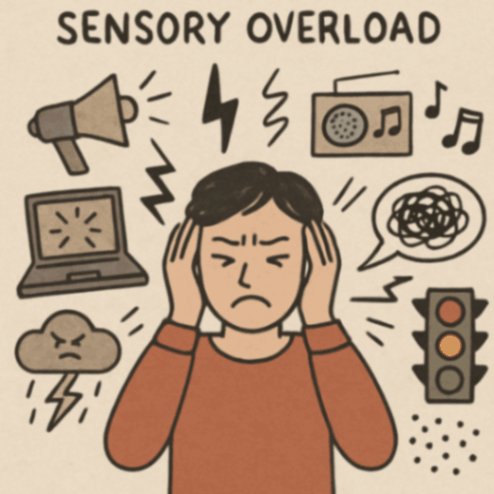
Another factor is sensory overload. Environments that are too loud or bright can be overwhelming. This can lead to feelings of anger and distress.
Recognizing and addressing these underlying issues hlps in crafting personalized strategies. Some contributing factors include:
- Sensory sensitivities
- Communication barriers
- Unexpected changes in routine
Acknowledging these factors is the first step in developing effective anger management techniques. Every individual is unique and may react differently to stimuli.
Common Triggers Of Anger In Autism
Understanding the triggers of anger in autism is crucial. Identifying these triggers can prevent many outbursts. Sensory overload, as mentioned earlier, is a common trigger, causing immense stress.
Changes in routine can also provoke anger. Many individuals with autism depend on predictability and a set routine. Sudden changes can be unsettling, leading to anger or anxiety.
Further, communication challenges often play a role. When unable to express needs or emotions, frustration can escalate quickly. Common triggers include:
- Sensory overload
- Changes in routine
- Communication barriers
Recognizing these triggers allows caregivers to develop strategies to minimize their impact.
Recognizing The Signs Of Anger
Identifying early signs of anger is essential for effective autism anger management. Often, physical and behavioral cues signal rising frustration. Observing these cues can help prevent full-blown outbursts.
Common signs of anger in individuals with autism may include:
- Increased agitation or pacing
- Changes in vocal tone or increased volume
- Repetitive behaviors or stimming
By recognizing these signs early, caregivers can intervene before anger escalates. This proactive approach is important for using autism anger management techniques. It helps everyone stay calm and in control.
Autism Anger Management Techniques
Managing anger in autism requires a tailored approach. Each individual may respond differently to techniques, so flexibility is key.
Coping Skills
Teaching coping skills is fundamental. Simple techniques can make a significant difference, such as:
- Deep breathing exercises
- Counting down from ten
- Visualizing a calming scene
These strategies help individuals regain control over their emotions.
Sensory Tools
Incorporating sensory tools can aid in soothing agitation. Items like stress balls, fidget spinners, or weighted blankets provide comfort. They can help redirect energy and focus during moments of frustration.
Social Stories
Using social stories can help individuals with autism understand and cope with their emotions. These stories illustrate scenarios and appropriate reactions, guiding individuals through complex social situations.
Positive Reinforcement
Positive reinforcement encourages desired behaviors. Praising calm responses reinforces skills and builds confidence. This proactive strategy not only manages anger but also promotes personal growth and emotional regulation.
Role-Playing
Role-playing scenarios provide practice for real-life situations. It helps build confidence and prepares individuals for potential triggers. Engaging in role-playing can bolster problem-solving skills, essential for anger management in autism.
By implementing these techniques, caregivers can support individuals in managing anger effectively. Tailoring approaches to each individual’s needs ensures better outcomes and a more harmonious environment.
Building Emotional Regulation Skills
Building emotional regulation skills is crucial for managing anger in autism. These skills empower individuals to handle their emotions effectively.
Individuals benefit from structured learning of specific techniques. These may include:
- Practicing mindfulness exercises
- Engaging in regular physical activity
- Learning to identify personal emotions
Mindfulness exercises, such as focused breathing or meditation, can enhance self-awareness. Regular practice fosters a sense of calm and control.
Physical activities reduce stress, helping manage emotional responses. Whether it’s a short walk or a favorite sport, staying active is beneficial.
Recognizing emotions allows for better response strategies. Encouraging individuals to verbalize or log their feelings can cultivate self-awareness. This understanding aids in anticipating and managing potential anger triggers efficiently.
Creating Supportive Environments
Creating a supportive environment is vital for managing anger in individuals with autism. A predictable setting can significantly reduce stress and anxiety.
Simple modifications can make a big difference. Consider incorporating the following elements:
- Consistent routines
- Clear expectations
- Safe spaces for relaxation
Consistent routines help individuals know what to expect, lessening potential frustrations. Clear expectations prevent misunderstandings, fostering a secure feeling.
Designating a safe space offers a retreat when emotions run high. This space should be quiet and filled with calming sensory tools. It provides a haven for regaining composure during overwhelming moments.
Collaborating With Professionals
Working with professionals can enhance autism anger management strategies. Therapists provide tailored approaches to address specific needs.
Incorporating insights from experts helps create more effective anger management plans. Consider these professional services:
- Behavioral therapy
- Occupational therapy
- Speech-language therapy
Each type of therapy offers unique benefits. Behavioral therapy focuses on modifying negative reactions. Occupational therapy addresses sensory sensitivities, aiding in emotional regulation.
Speech-language therapy enhances communication skills, reducing frustration from being misunderstood. Engaging with professionals ensures a comprehensive support system for the individual.
Supporting Caregivers And Families
Caring for someone with autism can be challenging. Families need support too. Establishing networks is crucial for caregivers.
Consider the following support options:
- Support groups for sharing experiences
- Resources and training workshops
- Counseling for stress management
By using these resources, caregivers stay informed and reduce burnout. Encouraging family involvement strengthens bonds and improves overall well-being.
How In-Home ABA Therapy Can Help?
Helping a loved one with autism manage anger isn’t something you have to face alone. At Houston ABA Center, we help families with in-home ABA therapy. We design our therapy for each child’s needs.
Our compassionate team supports emotional regulation, builds communication skills, and creates strategies that truly work. If your child has frustration, meltdowns, or sensory overload, we can help you find calm in your daily routine.
Contact Houston ABA Center at (214)-838-7938 today or schedule a consultation and start building a more peaceful future—right from the comfort of your home.