

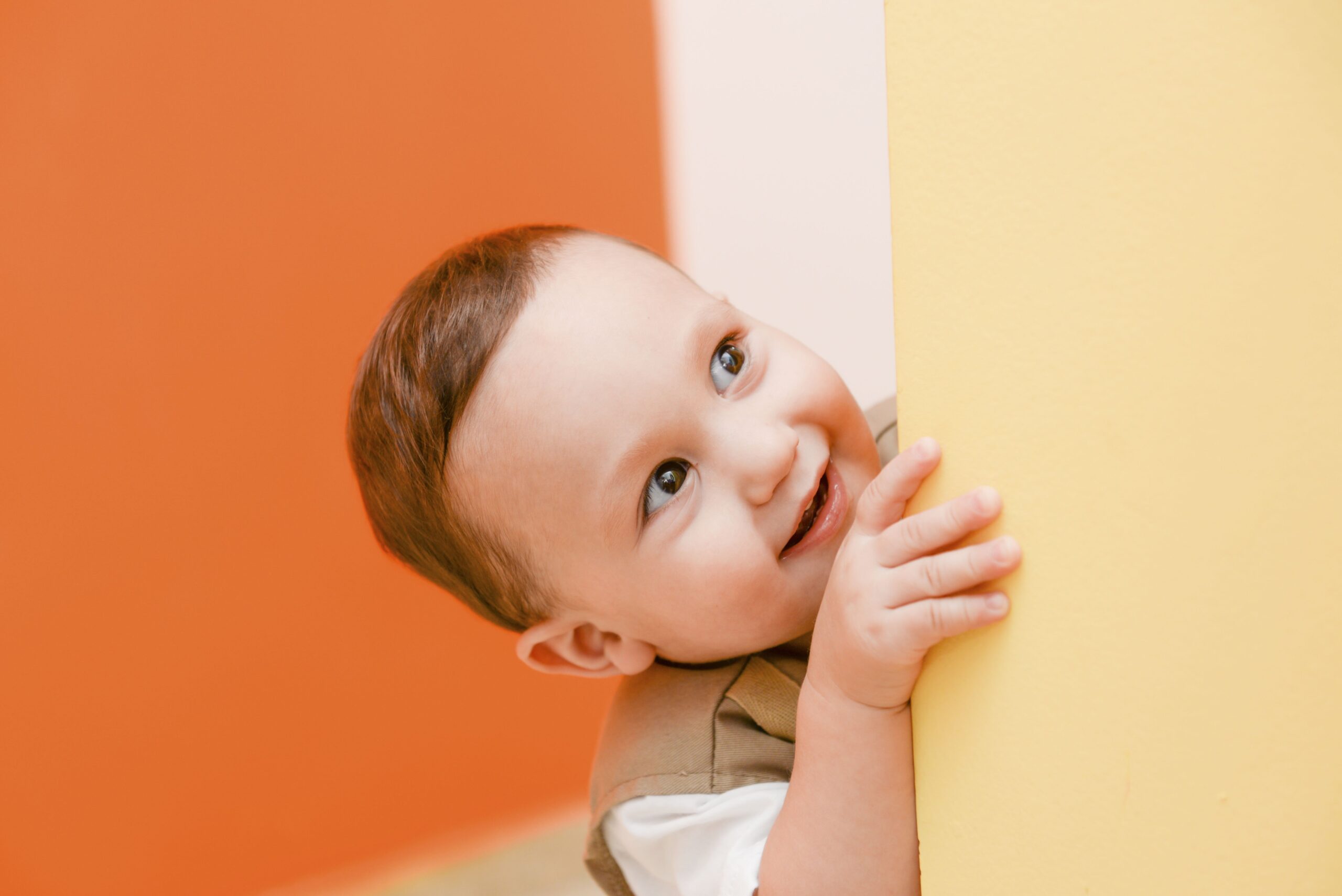





Positive reinforcement is one of the most fundamental and widely used strategies in Applied Behavior Analysis (ABA) therapy. It serves as a powerful tool for teaching new skills, increasing desired behaviors, and helping children achieve greater independence in their daily lives. At its core, positive reinforcement focuses on recognizing and rewarding behaviors that therapists, parents, and educators want to see repeated.
For children participating in ABA therapy, learning can sometimes be challenging. New skills often require repeated practice, patience, and encouragement. Positive reinforcement helps make the learning process more engaging and motivating by providing meaningful rewards when a child demonstrates a target behavior. Rather than focusing on mistakes or undesired behaviors, this approach emphasizes success and achievement.
The effectiveness of positive reinforcement lies in its ability to create positive associations with learning. When children experience rewarding outcomes after completing a task, following instructions, communicating effectively, or engaging in appropriate social interactions, they are more likely to repeat those behaviors in the future. Over time, these repeated successes can lead to significant improvements in communication, social skills, academic performance, self-help abilities, and overall quality of life.
Understanding how positive reinforcement works and why it is so effective can help parents, caregivers, and educators support a child’s progress both during and outside therapy sessions.
Understanding Positive Reinforcement
Positive reinforcement occurs when a desirable consequence follows a behavior, increasing the likelihood that the behavior will occur again. In ABA therapy, therapists carefully identify behaviors they want to strengthen and provide reinforcement immediately after those behaviors occur.
For example, if a child successfully requests a toy using words instead of gestures and receives praise or access to the toy, the child learns that verbal communication produces positive outcomes. As a result, the child becomes more likely to use verbal communication again in similar situations.
The key component of positive reinforcement is that the reward must be meaningful to the individual child. What motivates one child may not motivate another. Some children respond well to verbal praise, while others may prefer stickers, extra playtime, favorite activities, or small tangible rewards.
ABA professionals spend time identifying what motivates each child so that reinforcement remains effective and encourages continued participation in learning activities.
Why Positive Reinforcement Is Central to ABA Therapy
Positive reinforcement is considered a cornerstone of ABA therapy because it aligns with how people naturally learn. Human behavior is strongly influenced by consequences. Behaviors that lead to positive experiences are generally repeated, while behaviors that do not produce desired outcomes are less likely to continue.
ABA therapy uses this principle in a structured and intentional manner. Therapists break skills into manageable steps and reinforce progress throughout the learning process. This approach helps children remain engaged and motivated while developing new abilities.
Instead of relying on punishment or negative consequences, positive reinforcement emphasizes encouragement and success. Children often become more confident when they experience frequent achievements, even when learning difficult skills.
By focusing on strengths and accomplishments, ABA therapy creates an environment where learning feels rewarding rather than stressful.
Types of Positive Reinforcement Used in ABA Therapy
Positive reinforcement can take many forms depending on the child’s preferences, developmental level, and goals.
Social reinforcement is one of the most common forms. This includes praise, smiles, high-fives, hugs, and verbal encouragement. Statements such as “Great job asking for help” or “I love how you shared your toy” help children understand exactly which behaviors are being reinforced.
Activity-based reinforcement involves access to preferred activities. A child may earn additional time with a favorite game, sensory activity, or playground experience after completing a task.
Tangible reinforcement includes physical items such as stickers, tokens, small toys, or other preferred objects. These rewards can be especially effective when teaching new skills.
Natural reinforcement occurs when the behavior itself produces a desired outcome. For instance, if a child requests a snack appropriately and receives the snack, the reward naturally reinforces communication.
ABA therapists often combine different types of reinforcement to maintain motivation and support long-term learning.
The Importance of Individualized Reinforcement
One of the reasons positive reinforcement is so successful in ABA therapy is its individualized approach. Every child has unique interests, motivations, and learning styles. Effective reinforcement must reflect these differences.
Therapists often conduct preference assessments to determine what a child enjoys most. These assessments may involve observing the child, speaking with parents, or presenting various choices to identify preferred items and activities.
Preferences can also change over time. A reward that motivates a child today may become less effective in the future. For this reason, ABA professionals continuously evaluate and adjust reinforcement strategies.
Individualization ensures that reinforcement remains meaningful and supports ongoing engagement in therapy.
Teaching Communication Skills Through Positive Reinforcement
Communication development is a major focus of many ABA programs, and positive reinforcement plays a critical role in this area.
Children often learn communication skills more effectively when successful attempts are immediately acknowledged and rewarded. Whether a child uses spoken language, sign language, picture communication systems, or assistive technology, reinforcement encourages continued use of these skills.
For example, if a child requests a favorite toy using an appropriate communication method and receives access to the toy, the communication behavior becomes more valuable and likely to occur again.
As communication skills improve, children may experience reduced frustration, stronger relationships, and greater independence in expressing their needs and preferences.
Supporting Social Skill Development
Social interactions can be challenging for some children, particularly those who struggle with communication or social understanding. Positive reinforcement can help make social learning more accessible and enjoyable.
Therapists may reinforce behaviors such as making eye contact, taking turns, sharing, initiating conversations, or responding appropriately during interactions.
By rewarding successful social behaviors, children gain confidence in their ability to connect with others. Over time, repeated positive experiences can strengthen social skills and increase participation in group settings.
These improvements often extend beyond therapy sessions and contribute to better relationships with family members, peers, and teachers.
Building Independence Through Reinforcement
One of the primary goals of ABA therapy is helping children become more independent in daily activities. Positive reinforcement supports this goal by encouraging self-help and life skills.
Tasks such as dressing, brushing teeth, cleaning up toys, following routines, and completing homework may initially require significant support. Reinforcement helps motivate children to practice these skills consistently.
As competence increases, therapists gradually reduce external rewards and encourage intrinsic motivation. Children begin experiencing natural satisfaction from completing tasks independently.
This progression helps create lasting behavioral change while promoting confidence and self-reliance.
Collaboration Between Therapists and Families
The success of positive reinforcement often depends on consistency across environments. When parents, caregivers, and educators use similar reinforcement strategies, children receive clear and predictable feedback about desired behaviors.
ABA therapists frequently work with families to identify effective reinforcement techniques that can be used at home. Parents may learn how to provide immediate praise, establish reward systems, and reinforce appropriate behaviors during everyday routines.
Collaboration ensures that learning continues beyond therapy sessions and helps children generalize skills to different settings.
Family involvement also strengthens the child’s support system and increases opportunities for meaningful progress.
Addressing Common Misconceptions
Some people mistakenly believe that positive reinforcement is simply bribery. However, there is an important distinction between the two.
Bribery typically occurs before a behavior and is often used to stop inappropriate behavior. Positive reinforcement occurs after a desired behavior and is intentionally designed to increase future occurrences of that behavior.
Another misconception is that children become dependent on rewards. In ABA therapy, reinforcement plans are carefully structured so that external rewards are gradually reduced as behaviors become established. The ultimate goal is for children to engage in appropriate behaviors because they are naturally beneficial and meaningful.
Understanding these differences helps families appreciate the scientific foundation behind reinforcement strategies.
Long-Term Benefits of Positive Reinforcement
The impact of positive reinforcement extends far beyond immediate behavior changes. Children who experience consistent encouragement often develop stronger self-esteem, increased confidence, and a greater willingness to try new things.
Positive reinforcement also promotes a supportive learning environment where children feel valued and successful. Rather than focusing on failures, attention is directed toward growth, effort, and achievement.
As skills improve, children gain greater independence, stronger social connections, and enhanced communication abilities. These benefits can positively influence academic success, family relationships, and overall well-being.
When implemented thoughtfully and consistently, positive reinforcement becomes a powerful tool for helping children reach their full potential.
Conclusion
Positive reinforcement is a foundational element of ABA therapy that encourages learning through meaningful rewards and positive experiences. By recognizing and reinforcing desired behaviors, therapists help children develop communication, social, academic, and daily living skills in a supportive environment.
The effectiveness of positive reinforcement lies in its individualized approach, focus on success, and ability to motivate continued growth. Through collaboration between therapists, families, and educators, reinforcement strategies can create lasting improvements that extend across multiple areas of a child’s life.
Ultimately, positive reinforcement helps children build confidence, develop independence, and experience the satisfaction that comes from achieving meaningful goals.
Summary
Positive reinforcement is a core strategy in ABA therapy that increases desired behaviors by providing meaningful rewards after those behaviors occur. It helps children develop communication, social, academic, and daily living skills while creating positive learning experiences. ABA therapists individualize reinforcement based on each child’s preferences and adjust strategies as needs change. Through consistent encouragement and collaboration with families, positive reinforcement promotes confidence, independence, and long-term success. By focusing on strengths and achievements, this approach supports meaningful behavioral growth and helps children reach their full potential.