
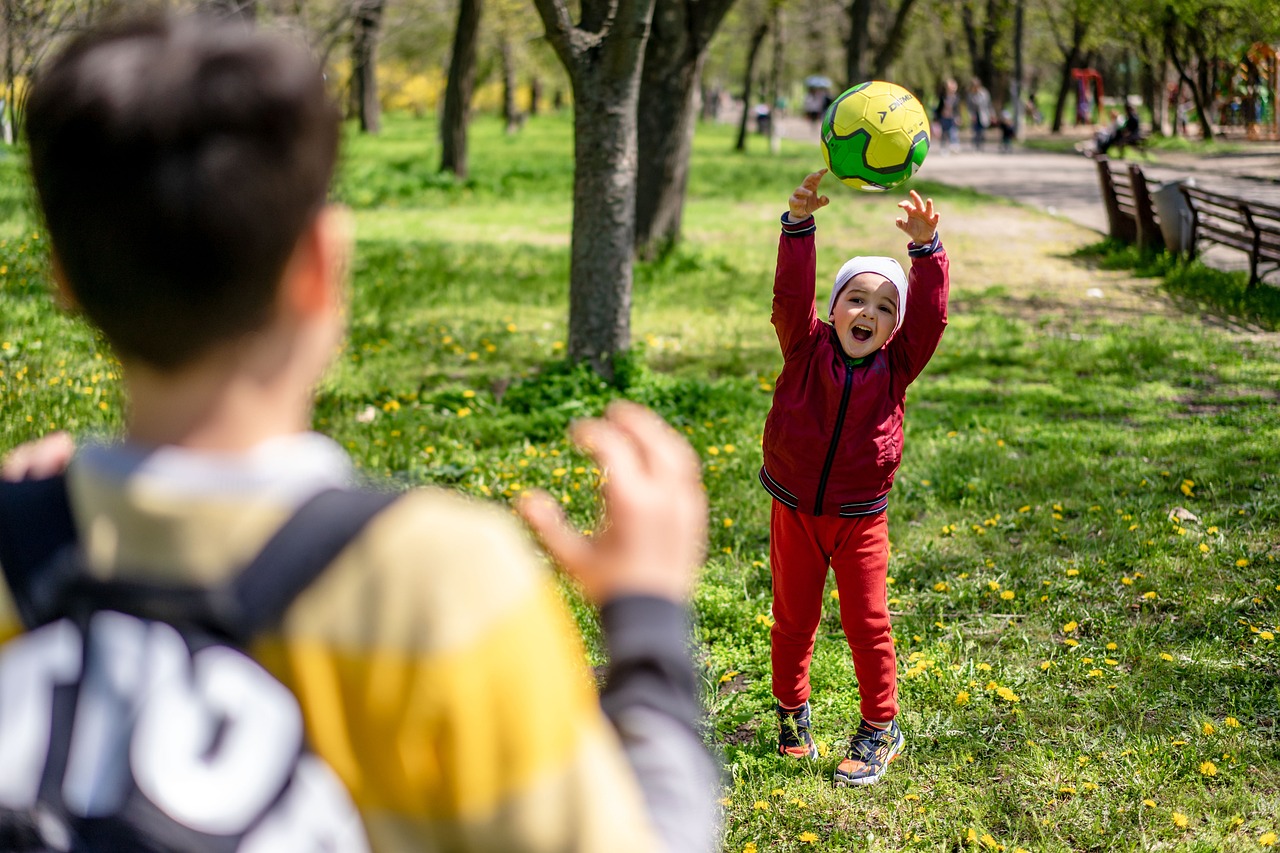






Community outings can be wonderful opportunities for learning and family fun, but for families of children with autism, they can also be a source of anxiety due to sensory sensitivities, changes in routine, and potential challenging behaviors. Applied Behavior Analysis (ABA) therapy offers practical, evidence-based strategies to prepare for and manage these experiences, turning potential stress into successful, skill-building adventures. By systematically planning and applying ABA principles, parents can help their children build confidence, generalize skills, and participate more fully in the community.
The Purpose of Community Outings in ABA Therapy
Community outings serve a vital function in ABA therapy by promoting skill generalization and enhancing functional independence. While a child may master skills in a controlled therapy room, applying those skills in the dynamic, unpredictable real world requires deliberate practice in natural environments.
- Skill Generalization: Outings allow children to use skills (e.g., communication, social interaction, waiting their turn) across different settings, with different people, and using varied materials.
- Independence Building: Navigating real-world challenges, such as waiting in line at a grocery store or ordering at a restaurant, helps children build confidence and essential life skills.
- Sensory Integration: Community settings expose children to a variety of sensory inputs (sights, sounds, crowds), providing opportunities to practice coping mechanisms and desensitize to overwhelming stimuli.
Planning and Preparation in ABA Therapy
The foundation of a successful community outing lies in thorough planning and preparation, leveraging ABA principles to set clear expectations and reduce anxiety.
- Start Small and Build Gradually: Begin with short trips to familiar, less crowded places, gradually increasing the duration and complexity of outings as your child becomes more comfortable.
- Use Visual Supports: Visual schedules and social stories are powerful ABA tools to enhance understanding and reduce anxiety about the unknown. A simple visual schedule can outline the sequence of activities (e.g., “First car, then museum, then lunch, then home”), while social stories can describe expected behaviors in specific situations, such as a museum or a restaurant.
- Involve Your Child: Empower your child by involving them in the planning process. Let them help choose the location from a set of options or select the reinforcers they can earn during the trip.
- Pack a Support Kit: Bring a bag with comfort items and sensory tools, such as fidget toys, noise-canceling headphones, or a favorite snack.
Implementing ABA Strategies During the Outing
Applying ABA techniques in real-time is crucial for guiding behavior and reinforcing positive interactions during the outing.
- Positive Reinforcement: Consistently and immediately reinforce desired behaviors with specific praise or access to a preferred item or activity. For example, “Great job using your quiet voice in the library!” or using a “first-then” board to show they can have a preferred activity after completing the required task.
- Prompting and Fading: Use prompts (verbal, gestural, or physical guidance) to help your child succeed, but work to fade them quickly to promote independence. The goal is for the child to perform the skill on their own in the natural environment.
- Task Analysis: Break down complex tasks, like ordering food at a counter, into smaller, manageable steps. Teach and reinforce each step until the entire sequence is mastered.
- Functional Communication: Encourage your child to use verbal or non-verbal communication to express their needs, ask for help, or request a break. This helps prevent frustration and challenging behaviors.
Managing Challenges and Ensuring Safety in ABA Therapy
Even with careful planning, unexpected situations can arise. ABA provides strategies for managing these moments proactively and safely.
- Plan for Sensory Overload: Identify a quiet space or “safe spot” at the location where your child can take a break if they become overwhelmed. Proactively use sensory tools, such as noise-canceling headphones, to prevent overload before it occurs.
- Address Elopement Concerns: If elopement (wandering or running away) is a concern, position yourself between your child and potentially dangerous areas (like parking lots or water), set clear boundaries, and consider ID bracelets or GPS trackers.
- Stay Calm and Redirect: When challenging behaviors occur, remain calm and use techniques learned in ABA therapy to redirect attention and reinforce appropriate coping strategies.
Long-Term Benefits of ABA Therapy and Community Outings
Each successful community outing builds confidence and competence, contributing significantly to your child’s overall development and quality of life. Consistent practice, data collection to track progress, and collaboration with your ABA therapy team ensure that these experiences are meaningful learning opportunities. By integrating ABA into everyday life, you empower your child to navigate their world with greater independence and joy.